
Avoid These Mistakes as a Beginner DJ!


As a beginner DJ, it's easy to make mistakes that can hinder your progress and even damage your equipment.
In this blog, we'll explore some common mistakes that beginner DJs make and how to avoid them, with a focus on your DJ setup and console.
1. Not practicing or practicing the WRONG way
One of the biggest mistakes beginner DJs make is not practicing enough or, more fatally, practicing the wrong way. If you haven’t established a proper beatmatching and EQ technique you may be putting yourself further from the goal and instead reinforcing bad habits. First, understand the basics of a good mix by paying attention to some of your favorite DJ’s mixes on Youtube or soundcloud. This way you can effectively gauge if you’re hitting the mark when it comes time to practice. You don’t have to be perfect, but it's critical to know when you’re doing it wrong so you don’t trick yourself into thinking it’s time well spent. Next establish a formula you can stick to and repeat. This may involve using auto loops in intros of songs or remembering to drop your new track in half way into the current track’s hook. This really depends on the genre and the track itself, as technique for electronic music is widely different than your approach would be for hip hop. Different DJ consoles are built with the intended style of artist in mind, meaning a Pioneer DJ controller like the DDJ REV7 is built in a battle style format with an instant scratch bank and crossfader sensitivity controls, making it ideal for hip hop or open format DJs. Every controller has different ergonomics and will make certain features easier to access based on the target demographic. For example, the DDJ-FLX4 is made to mirror a club standard DJM-900NXS2 and CDJ-3000 setup, so the autoloop buttons are layed out similar to that design.
Bonus practice Tip:
You can start the basics of beatmatching by taking two instrumentals, placing them both on loop and at the same BPM. Press play on one track, and then with the second track press play on the first downbeat of the first track’s loop. Adjust it until the kick drums are riding on top of each other precisely. Continue doing this back and forth until your ears have become accustomed to differentiating between the kick drums in both tracks and pairing them up.
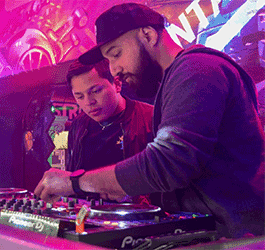
Making sure you set aside enough time for regular practice sessions with the right approach to get the foundation you need so you can later get to the more creative fun stuff. Then spread out a bit and start to learn from multiple peers so you can adopt the style and habits best suited for you. Don’t rely on just one person to instruct you as a beginner because if they’re not a professional they could be teaching you some terrible habits, like mixing out every song with the filter. If you’re lucky enough to live in Los Angeles you can take lessons at our DJ School for all the best techniques.
2. Not protecting your equipment
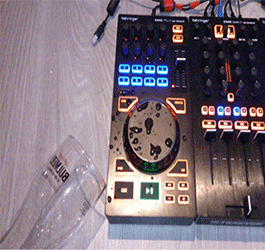
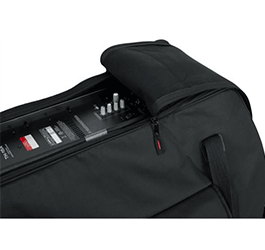
Your DJ setup and console are essential tools for your performance, so it's important to take care of them. Make sure to use protective cases or bags from Odyssey Gear, Pro-X or Gator Cases when transporting your equipment to gigs and events. You can utilize a Decksaver as a dust cover at home. Keep your equipment away from moisture (no drinks on the DJ table!). Avoid extreme temperatures to prevent damage. Most importantly, don’t be a victim to theft.
3. Not organizing your music library
A disorganized music library can be a huge obstacle for beginner DJs. Take the time to organize your music library by artist, genre, or BPM to make it easy to find the tracks you need quickly. You can also use software such as Serato DJ Pro to create playlists and organize your music by key or energy level. The same goes for Rekordbox DJ. Organization is your greatest ally when performing live.
4. Not understanding the equipment
Your DJ console is a seemingly complex piece of equipment with many functions and features. It's important to take the time to learn how to use your DJ controller properly and understand its different functions. You never know when you may accidentally hit a keyboard shortcut and make your track go in reverse, so it helps to know firsthand how to remedy the situation. Explore every option in the settings and make sure to watch tutorials to get the most out of your DJ console. Get used to putting your beginner DJ setup together on your own (from DJ controller to cables to DJ speakers). You need to be your own technical support expert when at a show.
5. Not reading the crowd

As a DJ, it's important to read the crowd and adjust your music selection accordingly. Pay attention to the energy and mood of the crowd and adjust your music to their taste. Don't be afraid to take requests or change up your set if it's not resonating with the audience. Oftentimes beginner DJ’s prepare a specific setlist that they think will kill, and they commit to playing it out exactly as planned. To be a successful DJ you have to remember that your performance is about crowd engagement so if you are short sighted or stubborn in your track selection you’re missing the bigger point of your role.
Being a beginner DJ can be challenging at first, but avoiding these common mistakes will help you improve your skills and become a better DJ. Remember to focus on developing your technical skills in the right fashion, organize your tracks effectively, and routinely scan the crowd to read the room. With some time, practice and live experience you’ll become a skilled and confident DJ, rocking dance floors everywhere you go.
March 21, 2023
|
View: 433
|
Categories: DJ Tips
|
Tags: DJ Tips and Tricks, Social Media, Beginner DJ, DJ Gig
|
By: Santana
About the Author



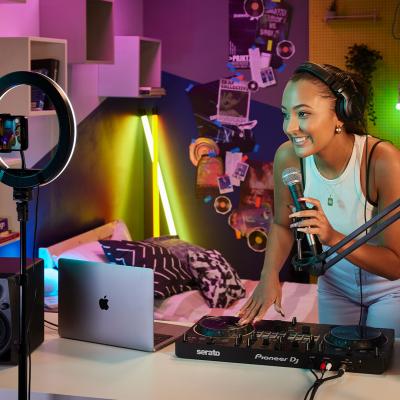


Communication is Key!
September 5, 2023

Mastering the Club DJ Setup
July 27, 2023
Cable Management for DJs
September 5, 2023

You Gotta Adapt!
September 5, 2023
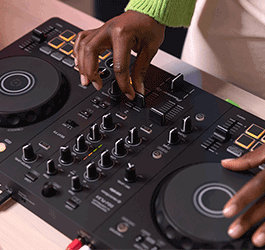
Mastering the Basics
July 11, 2023
Communication is Key!
September 5, 2023
You Gotta Adapt!
September 5, 2023
Cable Management for DJs
September 5, 2023
Mastering the Club DJ Setup
July 27, 2023
Break it Down with Serato Stems!
July 27, 2023
Comments